
Helping Children Learn That Their Choices Matter
By Dr. Gil, Creator of JeanieOlogy™
Responsibility is one of the most important qualities parents and grandparents can help children develop.
Making the bed, caring for a pet, putting toys away, helping a sibling, admitting a mistake, saving part of an allowance, or keeping a promise may seem like small things.
But small choices can build something much bigger:
Character.
Children aren’t born understanding responsibility. They learn it gradually through expectations, examples, conversations, choices—and sometimes mistakes.
A child who forgets to feed the dog may discover that someone depends on them. A child who spends an entire allowance may learn why planning matters. A child who doesn’t complete a chore learns that choices have consequences.
The challenge is helping children understand these lessons without turning every situation into another lecture.
Start With a Question
JeanieOlogy™ encourages children to think about values rather than simply being told what they should do.
A parent might ask:
“What does being responsible mean to you?”
“What happens when someone makes a promise and doesn’t keep it?”
“What responsibilities do you have in our family?”
A grandparent might ask:
“Have you ever made a mistake and had to make it right?”
“Why do you think people trust someone who keeps their word?”
A child’s answer gives parents and grandparents an opportunity to understand how that child is thinking—and then guide the conversation toward the family’s values.
Parents Teach Responsibility Every Day
Parents have countless opportunities to teach responsibility through everyday life.
Suppose a child hasn’t completed a chore. Instead of immediately giving another reminder, ask:
“Why do you think everyone in a family has responsibilities?”
A child who wants something after spending an allowance creates an opportunity to discuss patience, planning, and consequences.
A sibling disagreement can introduce fairness.
A broken toy can lead to honesty.
Helping a neighbor can open a conversation about service.
These moments help children recognize that responsibility isn’t simply something adults demand.
Their choices affect other people.
Grandparents Bring the Wisdom of Experience
Grandparents can reinforce these lessons differently.
They can share stories about their first job, saving for something they wanted, admitting a mistake, keeping a difficult promise, or accepting responsibility when it would have been easier to blame someone else.
Then comes the question:
“What do you think I learned from that?”
Or:
“What would you have done?”
Grandparents don’t have to present themselves as people who always made the right choice. Sometimes stories about mistakes provide the most memorable lessons.
Responsibility Grows With the Child
Expectations should change as children mature.
A five-year-old might put toys away.
An eight-year-old might help care for a pet.
A ten-year-old might manage a small allowance.
Older children may take greater responsibility for chores, activities, schoolwork, or helping younger siblings.
The particular task isn’t always the most important part.
The deeper lessons are:
Other people depend on me.
My choices matter.
I can be trusted.
Make Room for Mistakes
Teaching responsibility doesn’t mean expecting perfection.
Children forget things. They make poor decisions. Sometimes they choose the easier path.
Instead of focusing only on what went wrong, parents and grandparents can ask:
“What happened?”
“What could you have done differently?”
And perhaps most importantly:
“What do you think you should do now?”
Responsibility isn’t simply admitting a mistake.
It’s learning how to make things right.
Turn These Moments Into Aunt Jean’s Questions
Everyday situations can also inspire new Aunt Jean’s Questions.
If a child forgets a responsibility, consider creating:
“What should you do when someone is depending on you and you forget?”
After seeing someone accept responsibility:
“Why does admitting a mistake sometimes take courage?”
Parents, grandparents, and other caring adults can take situations from a child’s actual life and turn them into new questions for future JeanieOlogy™ conversations.
That helps the game remain personal, timely, and connected to what children are experiencing.
Small Choices Today. Stronger Character Tomorrow.
Responsibility rarely develops through one dramatic lesson.
It grows through hundreds of small choices:
Finishing the chore.
Telling the truth.
Keeping the promise.
Saving instead of immediately spending.
Admitting the mistake.
Helping without being asked.
Trying again.
For parents, those everyday moments provide opportunities to prepare children for the day when Mom or Dad won’t be standing beside them to make the decision.
For grandparents, sharing experience and perspective can help grandchildren understand that today’s choices gradually shape tomorrow’s character.
JeanieOlogy™ provides a simple way to bring those conversations to life—through laughter, questions, stories, and time together.
Because someday, the lessons children remember most may not be facts they learned.
They may be the values they learned to live.
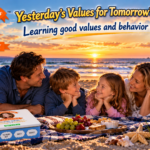
JeanieOlogy™ — Yesterday’s Values for Tomorrow’s Children.
© Copyright Aunt Jean’s Kids, LLC. All Rights Reserved.
 One of the greatest benefits of homeschooling is the freedom to teach not only academic subjects but also the values and character traits that help children become caring, responsible adults. While textbooks teach facts, many of life’s most important lessons are learned through meaningful conversations. JeanieOlogy™ was created to make those conversations enjoyable. Designed for… Read more: Week 2-HS-Article- Making Values Come Alive in Your Homeschool